
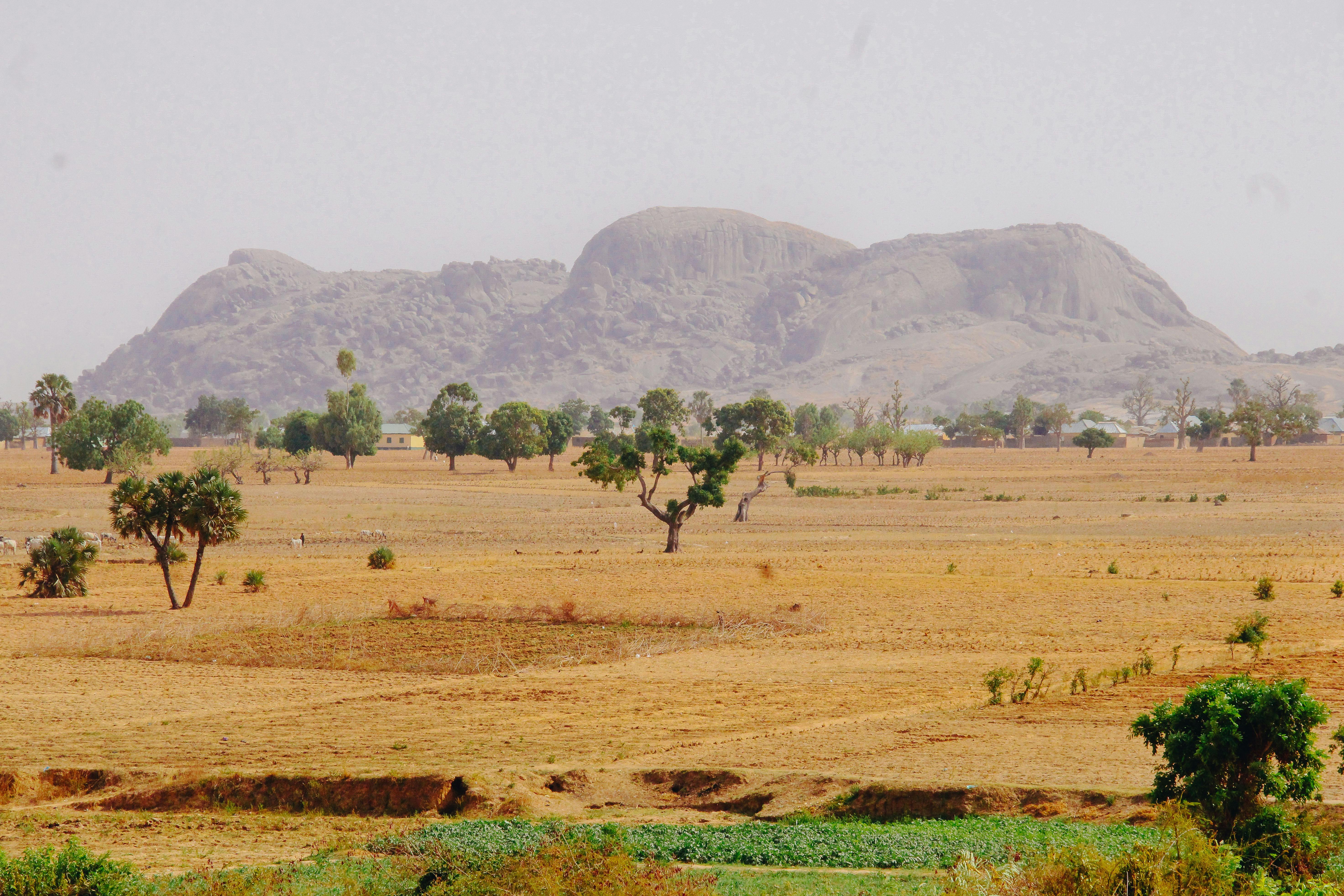

With one of the largest economies in Africa, Nigeria also has one of the continent's fastest growing mining markets. In the absence of a well-developed large-scale gold mining sector, the vast majority of gold mining in the country is carried out by artisanal and small-scale miners.
With an estimated annual gold production of 16.3 tonnes, much of Nigeria’s investments are targeted at artisanal and small-scale gold mining (ASGM), as this sector represents more than 90 percent of mining activities in Nigeria. According to Nigeria's ASGM National Action Plan, approximately 260,000 miners rely directly on ASGM activities as a source of livelihoods, with an additional 1.3 million people estimated to be involved indirectly in the sector.
The use of mercury is widespread in Nigeria, with miners often practicing open burning of mercury-gold amalgams. The artisanal and small-scale gold mining sector is one of the country’s major sources of mercury emissions and release, using an estimated 16.1 tonnes of mercury per year for gold extraction processes.
Artisanal mining activities in Nigeria are very often carried out informally, with approximately 75 percent operating outside current laws and regulations. Most operators and miners working in artisanal and small-scale gold mining have little or no formal education. Formalizing this sector is crucial for maximizing its economic benefits, implementing modern environmental standards, and reducing and eliminating mercury use.
Key Figures from Nigeria
-
1.5 million people are involved in the ASGM sector
-
90% of mining activities are carried out by ASGM sector
-
16.1 tonnes of mercury are used by ASGM each year
-
16.3 tonnes of gold are produced by ASGM each year
Nigeria’s Approach
The planetGOLD Nigeria project aims to reduce the use of mercury in the ASGM sector in the states of Nigeria, Kaduna, Zamfara, and Kebbi through a holistic, multi-sectoral integrated formalization approach, increased access to finance, and the adoption of responsible mercury-free technologies, leading to a traceable gold supply chain.
The planetGOLD Nigeria project's objective is to reduce 4.62 tonnes of mercury emissions and releases from ASGM activities during the project’s 5-year implementation period. The project aims to reach approximately 11,500 beneficiaries, 50 percent of whom will be women.
Key Strategies

Optimize formalization of | 
Promote financial inclusion and |

Enhance uptake of | 
Share knowledge and support |
News

News
School Children Become Advocates for a Mercury-Free Future
Voices
Developing Effective Public Health Strategies to Reduce Mercury Exposure in ASGM Communities
Contact
Contact planetGOLD Nigeria
The planetGOLD Nigeria project is implemented by the United Nations Industrial Development Organization (UNIDO) in partnership with the Federal Ministry of Environment and the Ministry of Solid Minerals Development.
Mrs. Adeola Omotunde
Director II, Pollution Control and Environmental Health / National Project Coordinator
[email protected]
If you have any complaints related to the planetGOLD Nigeria project, you may complete and submit this form.
Follow planetGOLD Nigeria On:

| 
| 
| 
|
Media Gallery
Project Launch Event


Other planetGOLD countries
planetGOLD project sites in Nigeria